
How to Keep Indoor Plants Healthy Through Darker Months
Why Houseplants Struggle When the Clocks Go Back
Most of the plants we grow indoors are tropical by nature. They come from warm, humid places where the daylight barely changes from one month to the next. Bring them into a British home and they cope beautifully from April to September, then find themselves facing short grey days, dry radiator air and a windowsill that turns chilly after dark. Growth slows almost to a standstill, and any care routine built for summer suddenly works against them.
The good news is that nothing dramatic needs to happen. A few calm adjustments to watering, humidity and light will carry most plants through to spring in better condition than they went into autumn. Think of it as slowing down alongside them rather than pushing them to keep growing.
Rethink Your Watering First
Overwatering in winter is the single most common reason houseplants decline. With less light, plants use far less water, yet compost in a cool room can stay damp for two or three weeks. Roots sitting in wet compost suffocate and rot long before the leaves show any sign of trouble.
Before you reach for the watering can, push a finger two or three centimetres into the compost. If it feels even slightly damp, wait. For larger pots, a bamboo skewer inserted near the edge and left for a minute works just as well. Then follow a few simple rules:
- Water less often, not less deeply. When you do water, let it run through the pot and empty the saucer afterwards.
- Use tepid water. Cold tap water straight from an outdoor tap can shock tropical roots.
- Water in the morning. Any surplus has the day to evaporate, and the roots are not left cold and wet overnight.
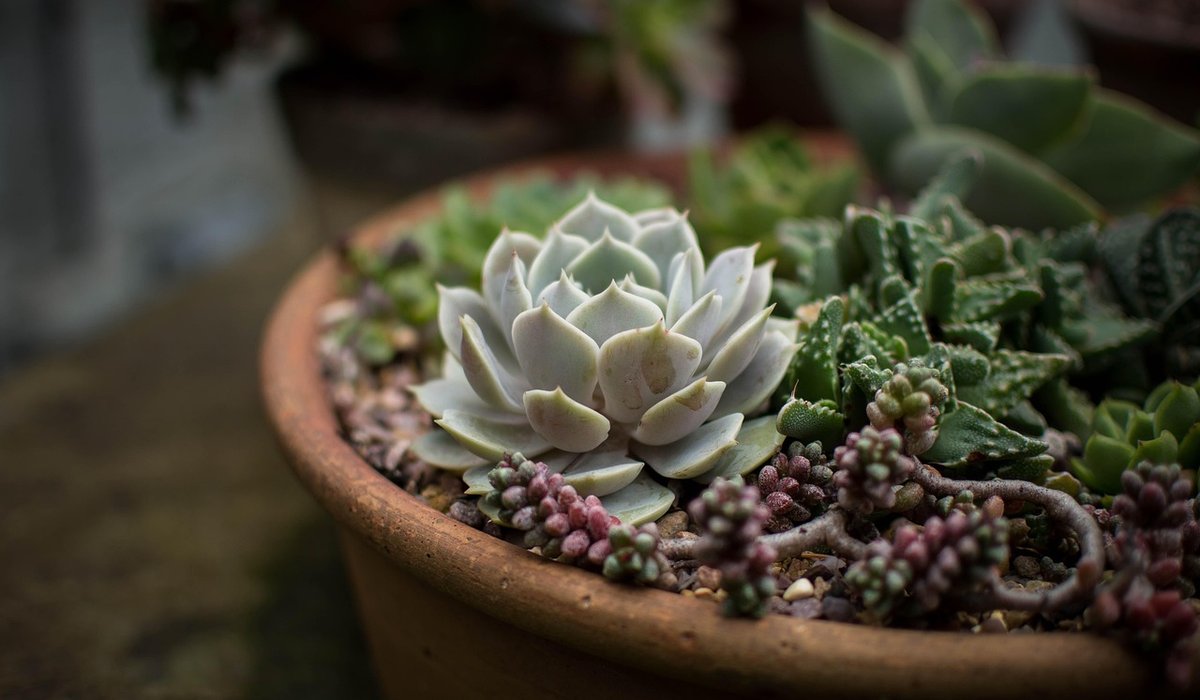
- Ease off completely for cacti and succulents. Many only need a light drink once every four to six weeks in midwinter.
Plants in unheated spare rooms, conservatories or cool hallways may need water only once a month. Check each pot individually rather than working to a schedule.
Make the Most of Every Bit of Light
Light levels indoors can drop by more than half between June and December, even beside a window. Move your plants closer to the glass, ideally within a metre, and shift them away from north-facing corners if you can. South and west windows are the brightest spots in winter, though a sheer curtain will protect leaves from the low, harsh sun that occasionally breaks through.
Dust is a quiet thief of light. A film on the leaves can block a surprising amount of what little daylight there is, so wipe smooth-leaved plants with a soft damp cloth every few weeks. Fuzzy leaves such as African violets prefer a soft brush. Turn pots a quarter turn each week so growth stays even, and remember that plants near a window will lean towards the light rather than away from it.
Humidity, Warmth and the Radiator Problem
Central heating creates the opposite of a rainforest: warm air that holds very little moisture. Most tropical plants are happiest at around 40 to 60 per cent humidity, and a heated living room can sit closer to 20 per cent. Grouping plants together creates a small microclimate as they release moisture through their leaves, and a tray of pebbles with water just below the pot bases will lift humidity around them.
Aim for daytime temperatures of roughly 15 to 21°C and slightly cooler at night. Keep foliage clear of radiators, and shield plants from draughts at doors and windows. Sudden swings do more damage than steady cool air, so a spot in an unheated bedroom is often kinder than a shelf above a radiator. Fruiting citrus, ferns and calatheas are the fussiest about this; snake plants and ZZ plants shrug it off.
Pause the Feed and Hold Off Repotting
Fertiliser encourages new growth, and new growth needs light to thrive. Feeding a plant in December mostly produces weak, pale leaves and can burn roots in dry compost. Stop feeding from around October and start again in March, when you see fresh shoots. The same applies to repotting: roots are dormant, and disturbed roots in cold, damp compost rot easily. Wait until spring, and use the winter months for planning instead.
Keep an Eye Out for Pests
Winter is peak season for fungus gnats, spider mites and mealybugs, partly because dry air suits them and partly because stressed plants are more vulnerable. Check the undersides of leaves and the joints where stems meet when you water. A weekly inspection takes a minute and saves a great deal of trouble. Sticky traps deal with adult gnats, while mites dislike humidity, so a regular rinse in the shower or sink helps. Move any affected plant away from the rest until it is clear.
A Gentler Routine for the Months Ahead
Hardy plants such as ivy, aspidistra and rubber plants will sail through with minimal fuss. Thirsty tropicals need a little more attention, so keep notes if it helps. Above all, resist the urge to fuss. A plant that simply holds its shape from November to February is doing exactly what it should. Water sparingly, chase the light, keep the air gently humid, and let the slower season pass. Come spring, you will have healthy plants ready to grow again.
tag: Houseplants

Tom Ashworth Author
Renter-friendly updates such as removable tiles, open shelving and warm lighting can make a bland kitchen feel like your own.
YOU MAY ALSO LIKE

Making a Rental Kitchen Feel More Personal and Warm
Aug 16
10Bring character back to a period feature using reclaimed tiles, gentle cleaning methods and advice on safe, reversible repairs.
read more
Restoring a Victorian Fireplace with Reclaimed Materials
Aug 10
10Explore simple homemade and refillable alternatives for laundry, surfaces and dishes that are kinder to waterways and your budget.
read moreInteriors
-

ERRIC CATONA
Add personality with cushions, throws and lampshades in coordinated tones while keeping the overall room calm and uncluttered.
May 19, 2016 at 5.12 pm
Reply
ERRIC CATONA
A room-by-room method for sorting toys, paperwork and everyday clutter so shared living areas stay calm and easier to clean.
May 19, 2016 at 5.12 pm
Reply -
ERRIC CATONA
Pick compact herb varieties that tolerate shade and learn how to harvest them regularly for fresh flavour in small kitchens.
May 19, 2016 at 5.12 pm
Reply
Houseplants
Your email address will not be published.